


The formula for a successful auction is simple - price and scarcity. This article explains the theory behind the formula and shares examples of its successful execution to help you curate the perfect "white glove" auction.
A white glove auction occurs when every single lot sells. It represents a 100% sell-through rate and remains a primary goal for auction organisers.
While selling every item is a strong result, the auction model performs best when multiple bidders compete for each lot, driving the final price past the high estimate.
Indy.auction has supported thousands of sales across hundreds of auctions. Spanning contemporary artwork, collectibles, and charity experiences, two factors consistently drive high final bids: attractive starting prices and rare opportunities.
Attractive pricing: why low starting bids work
In traditional retail, attractive pricing encourages sales by offering buyers a direct discount. At auction, low starting prices activate two deeper psychological drivers that encourage higher bidding: attachment and competition.
The first is attachment - also known as the 'endowment effect'.
1. Attachment
When an auction lot features a low estimate, it attracts bidders who believe they can secure the item below market value.
Between first viewing the lot and the final minutes of the sale, potential buyers start to picture owning the item. As ownership feels increasingly real, rational price limits fade during the closing moments. Bidders focus on winning the lot, often placing higher bids to secure it.
2. Competition
Low starting prices also generate competition. A lower entry point draws more participants, creating higher demand for a single lot.
An experiment by researchers at Princeton University on The value of victory: social origins of the winner's curse in common value auctions showed that active competition in an auction increases a participant's desire to win:
“As soon as the volunteers thought they were bidding against other live humans they found it impossible to bid rationally, whatever the auction rules. This implies that the competitive element of auctions is crucial to provoking our irrational buying behaviour. Once we’re involved in an auction we’re not just paying to own the sale item, we’re paying to beat other people who are bidding and prevent them from having it.”
- Tom Stafford, BBC Future
In a Live Auction, this competition is also catalysed by the auctioneer. They use the low starting price to ‘flush out’ and identify potential bidders who they can then encourage to bid further.
Using a low starting price to help find out who is interested in an auction lot also helps with future sales of similar items as inevitably there will only be one winner in the auction. This applies to either Live or Timed (also known as silent or online-only) auctions.
What does this mean in practice?
Low estimates and starting bids achieve better overall auction results than an auction with lots listed with high starting bids.
For example, a bidder browsing an auction might ignore an artwork listed at £10,000 as too expensive. If that same item starts at £5,000, the lower price presents a clear opportunity, and the attachment effect begins.
When multiple bidders experience the same reaction, competitive momentum builds. Participants bid beyond the original £10,000 mark, reaching a final price they initially dismissed as too high.
A clear example of this occurred during the sale of two original paintings by the artist David Ambarzumjan.

David Ambarzumjan, Passages
David Ambarzumjan | Brushstrokes in Time
Starting bid: €100
Sold: €8,000

David Ambarzumjan, Witnesses
David Ambarzumjan | Brushstrokes in Time
Starting bid: €100
Sold: €13,000
Both lots in David’s auction opened with starting bids of €100. This lower price attracted 18 bidders, which stimulated competitive bidding. This resulted in the auction totalling a combined €21,000, 100x its starting prices.
Scarcity
“Auctions use the principle of scarcity, whereby we overvalue things that we think might run out. Auction items are scarce in that they are unique (only one person can have it), and scarce in time (after the bids are finished, you’ve lost your chance).”
- Tom Stafford, BBC Future
Scarcity acts as the second key driver of auction success. Items become scarce through several distinct factors.
1. Market Availability
Items rarely available on the open market, such as works by in-demand artists with long gallery waiting lists, perform exceptionally well at auction.
We saw this with artwork from artist Issy Wood. A piece by Wood was featured in Camden Art Centre’s Book Covers for Camden auction. At the time of the auction, Wood had an extensive list of exhibition programmes with several prominent international galleries. Issy Wood's work is highly sought-after, and her lot attracted 20 bids, highlighting the demand.

Issy Wood, The Easy Way to Stop Smoking by Allen Carr
Book Covers for Camden
Starting bid: £950
Sold: £5,000
2. One of a kind
Strong bidding also occurs on unique, one-of-a-kind objects where buyers have a single opportunity to obtain the item. Watchmakers H. Moser & Cie. auctioned a rare limited edition unique piece to raise funds for charity in 2025. The one-of-a-kind opportunity attracted collectors, and resulted in the piece selling for significantly above its retail price, to a buyer who was previously unknown to the brand.
H. Moser & Cie., Streamliner Cylindrical Tourbillon Skeleton Alpine
H. Moser & Cie. x BWT: more than a timepiece
Sold: CHF 150,000
3. Final available works
The final or rarely available work from a limited edition or series consistently creates strong competition.
For instance, in the Fair Warning Art Auction by the charity Future Dreams, one artwork sold for double what a comparable piece from the same edition achieved at a recent international auction.

Harland Miller, LUV
Fair Warning Art Auction
Estimate: £18,500 - £20,500
This work was an edition of 50.
4. Exceptional pricing opportunities
An unexpected opportunity to acquire an item below market value drives higher bids.
Timed auctions featuring flat starting points, such as Xoxo, The Orchids, regularly attract a high number of active bidders on each lot. In this auction, The Orchid Foundation invited artists to anonymously donate postcard-size artworks, with each lot starting at $100. This encouraged bidding, and gave collectors the opportunity to acquire works by established artists at an accessible price, which in turn attracted 23 active bidders.
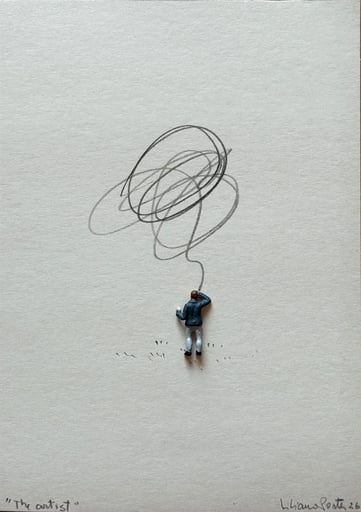
Anonymous, The Artist
Xoxo, The Orchids
Starting bid: $100
Sold: $2,800
Summary
To conclude, here are the key strategies when deciding what lots you should auction and how you should price them to maximise success.
- Set attractive starting prices. Use the lowest starting bid you and your sellers accept to attract maximum bidder participation.
- Source scarce lots. Feature items with limited availability, unique provenance, or final edition numbers.
- Present lots professionally. Combine pricing and scarcity with high-quality imagery, clear descriptions, and targeted marketing outreach.
Get started with Indy.auction
Indy.auction provides white-label auction software that gives you full control over your design, bidder experience, fee options, and more. You can create your auction with zero setup fees, zero monthly subscription charges, and start accepting bids in minutes.
Sign up for free and begin creating your auction today.
Already a seller? Subscribe to our Auction Insights newsletter for expert advice on how to run a successful auction.
